
In today’s digital world, your online presence speaks before you do. Whether you’re a freelancer, entrepreneur, content creator, job seeker, or business owner, building a personal brand using social media is one of the smartest investments you can make.
People no longer buy only products—they buy trust, expertise, and personalities. That’s why personal branding has become one of the biggest digital marketing trends in 2026.
The good news? You don’t need millions of followers to build a strong brand. You simply need the right strategy, consistency, and valuable content.
In this guide, you’ll learn how to build a personal brand using social media, which platforms work best, mistakes to avoid, and practical tips that anyone can follow.
What is Personal Branding?
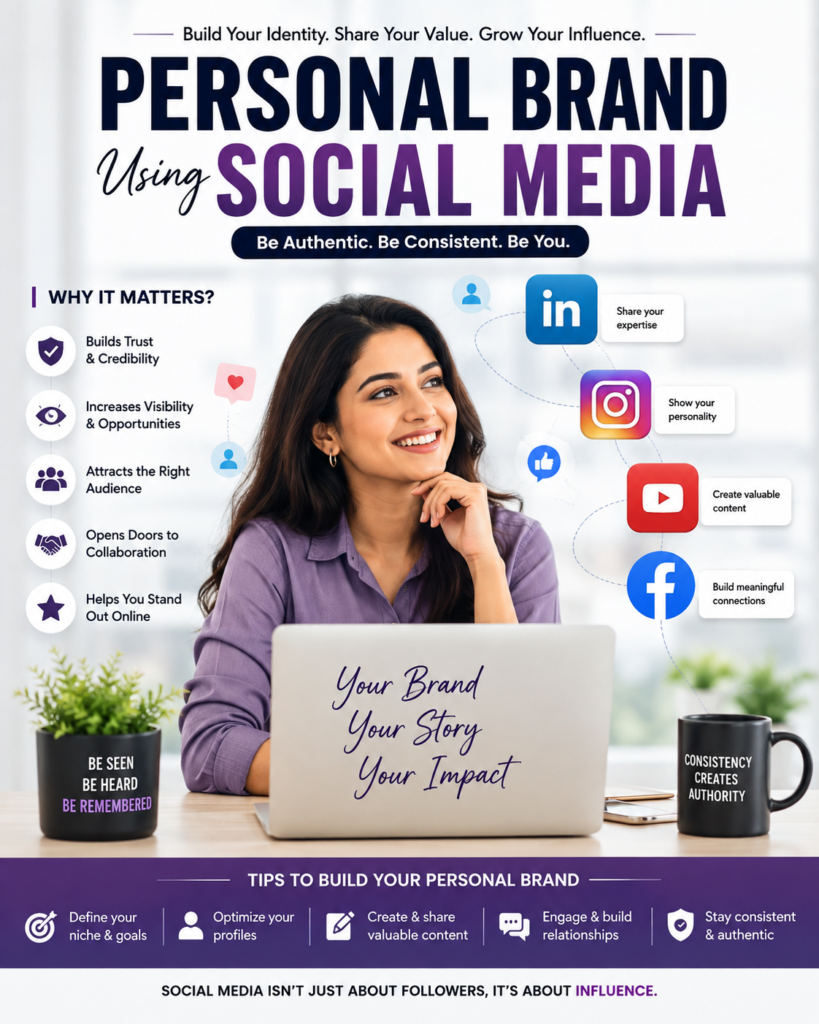
Personal branding is the process of creating a unique identity that people recognize, remember, and trust.
It is how people perceive you online.
Your personal brand includes:
- Your expertise
- Your personality
- Your values
- Your content
- Your communication style
- Your online reputation
Think of your social media profiles as your digital business card. Every post, comment, story, and video contributes to your personal brand.
Why Personal Branding is Important in 2026
The competition online is growing every day. Thousands of creators and businesses post content daily.
A strong personal branding on social media strategy helps you stand out.
Benefits include:
More Trust
People trust real people more than company logos.
Better Career Opportunities
Recruiters often check LinkedIn, Instagram, and other platforms before hiring.
Higher Business Growth
Customers are more likely to buy from someone they know and trust.
Increased Authority
Sharing your knowledge regularly positions you as an expert.
More Networking Opportunities
A strong personal brand attracts collaborations, speaking opportunities, and partnerships.
Why Social Media is the Best Platform for Personal Branding
Social media allows you to connect directly with your audience.
Instead of spending years building a reputation offline, you can grow your credibility much faster through consistent content.
Popular platforms include:
- X (Twitter)
- YouTube
- Threads
- TikTok
Each platform offers different ways to showcase your expertise.
Step 1: Define Your Personal Brand
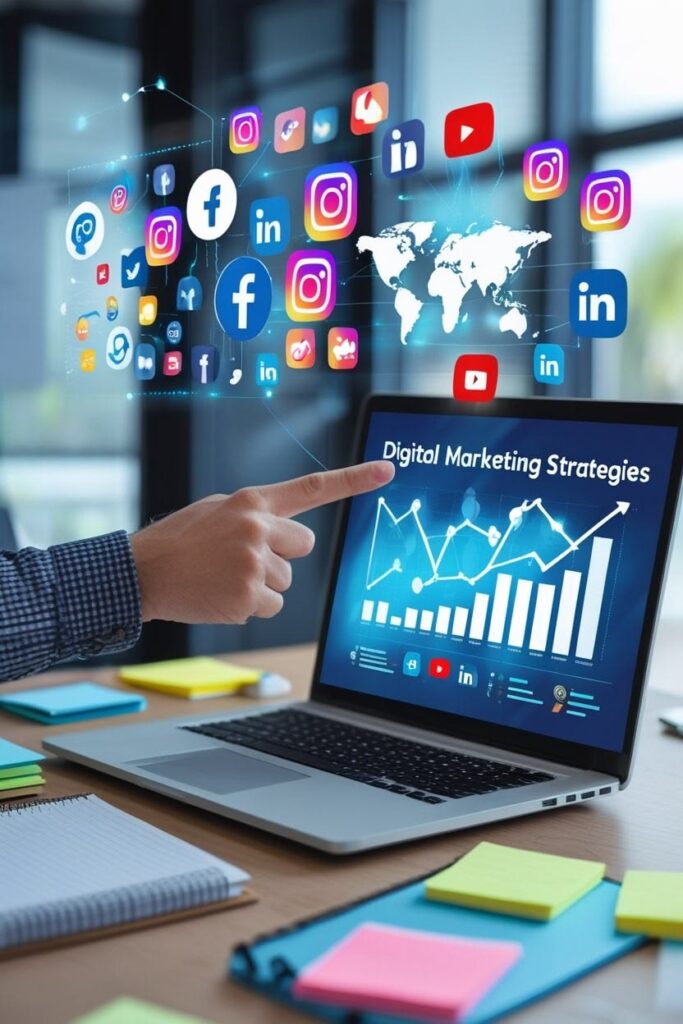
Before posting anything, ask yourself:
- What do I want to be known for?
- Who is my target audience?
- What problems can I solve?
- What makes me different?
Choose one clear niche.
Examples include:
- Digital Marketing
- Finance
- Fitness
- Graphic Design
- Real Estate
- Technology
- Career Guidance
- Education
- Travel
- Fashion
Trying to be everything for everyone usually leads to weak branding.
Step 2: Optimize Your Social Media Profiles
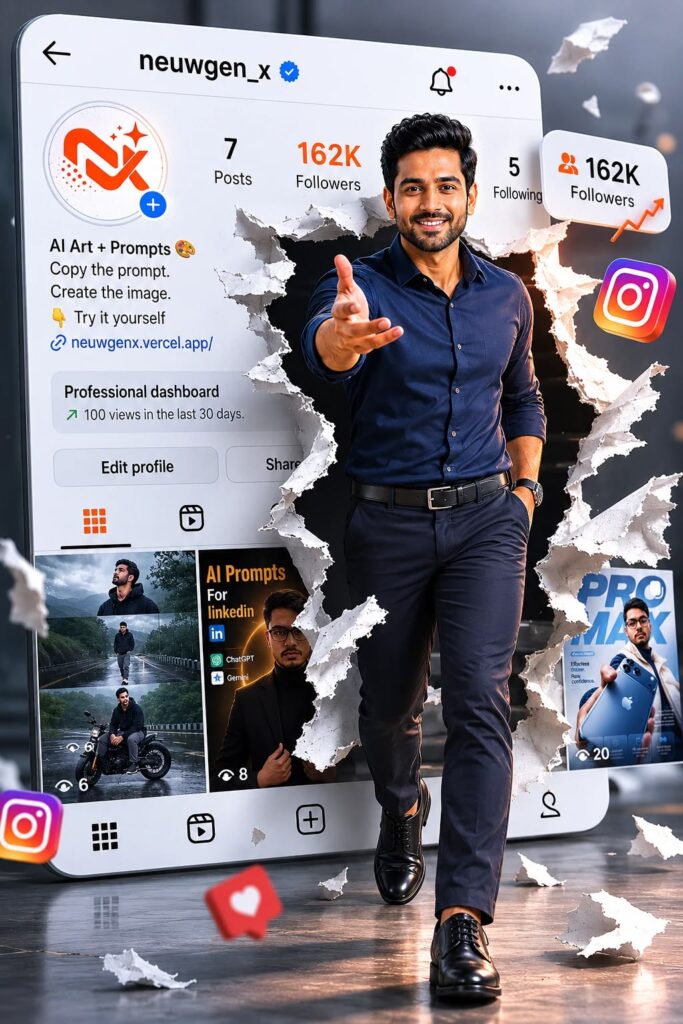
Your profile is often the first impression.
Make sure every profile includes:
Professional Profile Picture
Use a clear, high-quality photo.
Consistent Username
Keep the same username across all platforms.
Strong Bio
Mention:
- What you do
- Who you help
- Your expertise
- Call-to-action
Example:
Helping businesses grow through Digital Marketing | SEO | Social Media Marketing | Weekly Marketing Tips
Add Website Link
Always link your website, portfolio, or landing page.
Step 3: Choose the Right Social Media Platforms
Not every platform is necessary.
Focus where your audience spends time.
Best for:
- Professionals
- Consultants
- Coaches
- B2B Businesses
Best for:
- Creators
- Designers
- Lifestyle Brands
- Marketing Experts
YouTube
Perfect for:
- Tutorials
- Educational Content
- Long-form Videos
Still works well for:
- Communities
- Local Businesses
- Groups
Quality is more important than being active everywhere.
Step 4: Create Valuable Content Consistently
Content is the foundation of building a personal brand using social media.
Instead of constantly promoting yourself, educate your audience.
Content ideas include:
Educational Posts
Share tips, tutorials, and industry insights.
Personal Stories
People connect with authenticity.
Case Studies
Show real results you’ve achieved.
Behind-the-Scenes
Let your audience see your work process.
Industry Trends
Discuss the latest updates and predictions.
Mistakes to Avoid
People enjoy learning from common errors.
Aim to provide value in every post.
Step 5: Maintain a Consistent Visual Identity
Your brand should be recognizable instantly.
Use:
- Same colors
- Same fonts
- Similar editing style
- Consistent logo
- Professional graphics
Consistency builds familiarity.

Step 6: Engage with Your Audience
Personal branding is not just posting content.
It also involves conversations.
Reply to:
- Comments
- Messages
- Questions
Also:
- Comment on industry posts
- Join discussions
- Support other creators
The more meaningful interactions you have, the stronger your network becomes.
Step 7: Build Trust Instead of Chasing Followers
Many people focus only on increasing followers.
Instead, focus on:
- Helping people
- Solving problems
- Being authentic
- Sharing genuine experiences
A smaller engaged audience is more valuable than thousands of inactive followers.
Step 8: Share Your Expertise Regularly
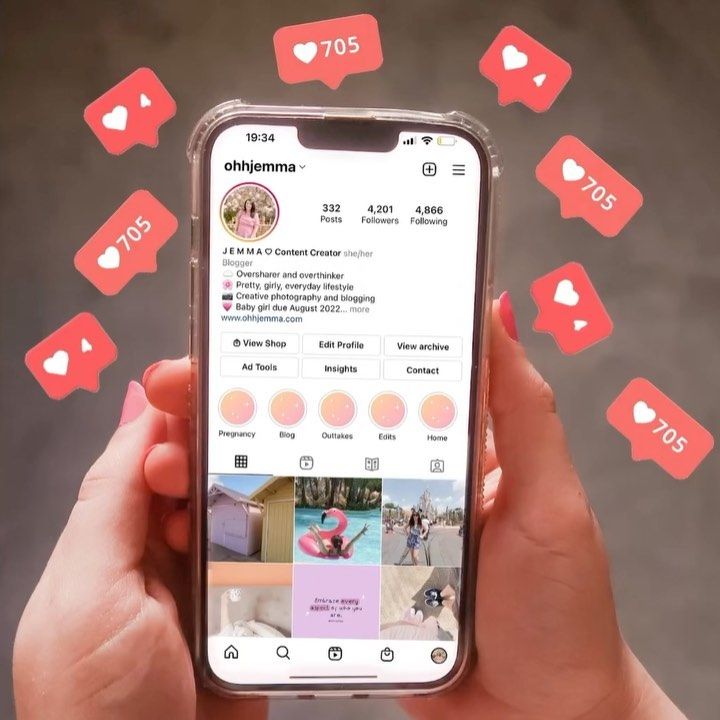
People follow experts who consistently provide useful knowledge.
Examples include:
- Marketing Tips
- SEO Updates
- AI Tools
- Business Advice
- Productivity Hacks
- Industry News
Become the person your audience learns from every week.
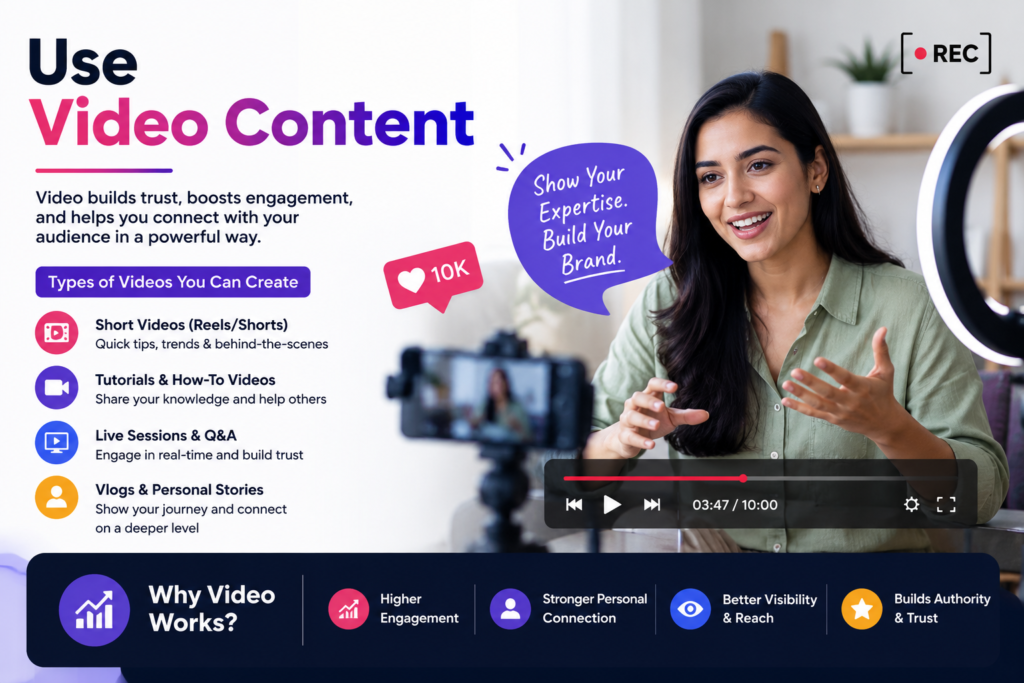
Step 9: Use Video Content
Video remains one of the highest-performing content formats in 2026.
Create:
- Instagram Reels
- LinkedIn Videos
- YouTube Shorts
- Tutorials
- Live Sessions
Videos build stronger trust because people can see and hear you.
Step 10: Monitor Your Personal Brand Performance
Track important metrics like:
- Profile Visits
- Engagement Rate
- Website Clicks
- Reach
- Followers Growth
- Leads Generated
These insights help you improve your content strategy.
Best Content Ideas for Personal Branding
If you’re wondering what to post, here are some proven ideas:
Monday
Industry Tip
Tuesday
Behind-the-scenes
Wednesday
Success Story
Thursday
Educational Carousel
Friday
Trending News
Saturday
Personal Experience
Sunday
Ask Me Anything (AMA)
Consistency beats perfection.
Common Personal Branding Mistakes to Avoid
Many people fail because they make avoidable mistakes.
Posting Random Content
Stick to your niche.
Inconsistent Posting
Build a schedule and follow it.
Ignoring Audience Comments
Engagement matters.
Copying Others
Learn from others but develop your own voice.
Selling Too Much
Focus on education first.
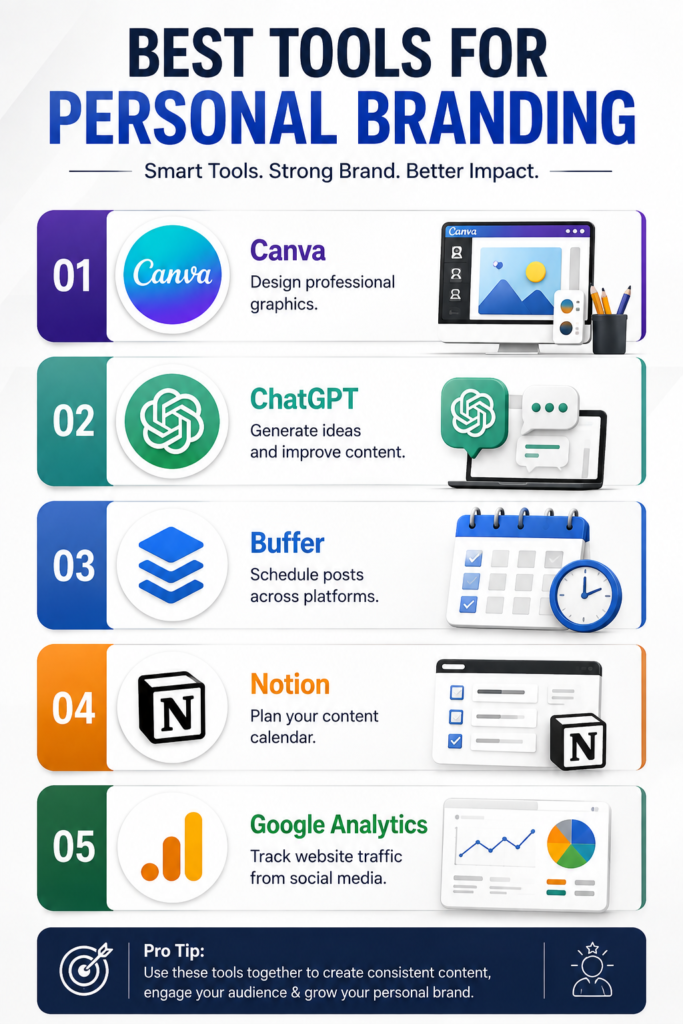
Best Tools for Personal Branding
These tools can help simplify your workflow:
Canva
Design professional graphics.
ChatGPT
Generate ideas and improve content.
Buffer
Schedule posts across platforms.
Notion
Plan your content calendar.
Google Analytics
Track website traffic from social media.
Personal Branding Tips That Actually Work
- Stay authentic
- Share your knowledge generously
- Build relationships before selling
- Post consistently
- Focus on quality over quantity
- Keep learning new trends
- Develop a recognizable voice
- Be patient—branding takes time
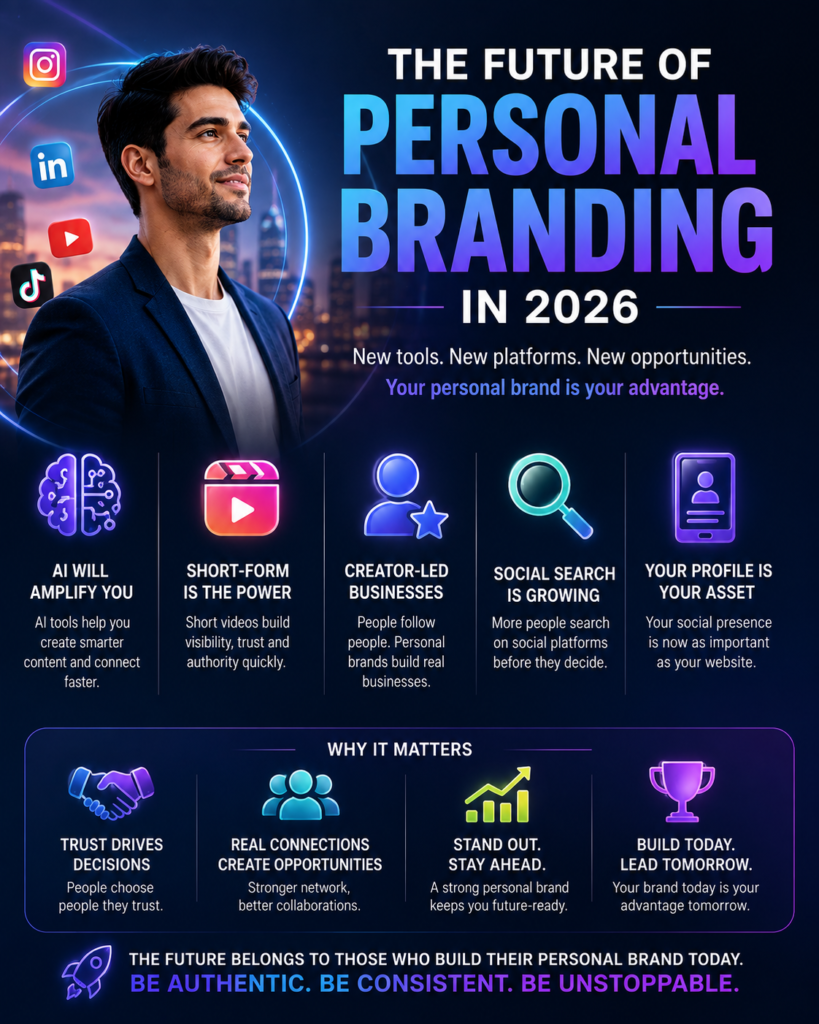
Future of Personal Branding in 2026
Artificial Intelligence, short-form videos, creator-led businesses, and social search are changing digital marketing.
People increasingly search on Instagram, LinkedIn, YouTube, and TikTok before making decisions.
This means your social media profile is becoming just as important as your website.
Businesses will continue partnering with trusted individuals rather than anonymous brands. Building a personal brand today gives you a competitive advantage for years to come.
Final Thoughts
Learning how to build a personal brand using social media is no longer optional—it’s essential for anyone who wants to grow professionally or expand a business online.
Start by defining your niche, optimizing your profiles, creating valuable content, and engaging consistently with your audience. Focus on building trust instead of simply chasing followers. Over time, your expertise, authenticity, and consistency will help you create a recognizable and influential online presence.
Whether you’re a student, entrepreneur, freelancer, or business owner, now is the perfect time to invest in your personal branding on social media. A strong personal brand can open doors to new opportunities, loyal customers, meaningful collaborations, and long-term success in the digital world.
FAQs
Q1. What is personal branding on social media?
Personal branding on social media is the process of creating a professional online identity by consistently sharing valuable content, showcasing your expertise, and building trust with your audience.
Q2. Which social media platform is best for personal branding?
It depends on your goals. LinkedIn is ideal for professionals and B2B networking, Instagram works well for creators and visual storytelling, while YouTube is excellent for educational and long-form content.
Q3. How long does it take to build a personal brand?
Building a strong personal brand typically takes several months of consistent posting, audience engagement, and high-quality content. Results improve with patience and consistency.
Q4. Do I need thousands of followers to build a successful personal brand?
No. A smaller, engaged audience that trusts your expertise is often more valuable than a large but inactive following.
Q5. How often should I post on social media?
Aim for 3–5 quality posts per week, along with regular engagement through comments, stories, or short videos. Consistency matters more than posting every day.