
The Integrated digital marketing world is changing faster than ever. In 2026, simply having a website or posting occasionally on social media is no longer enough to grow a business. Customers now search on Google, discover brands on Instagram, compare products through YouTube videos, and often make purchasing decisions after seeing multiple online touchpoints.
This shift means businesses need more than a single marketing channel. They need an integrated digital marketing strategy that combines SEO, social media marketing, and paid advertising to create a seamless customer journey.
Many businesses still ask questions like:
- Should I invest in SEO or Google Ads?
- Is social media enough to generate leads?
- Can paid ads replace organic marketing?
The answer in 2026 is simple—you need all three working together.
When SEO, social media, and paid ads support each other, businesses experience better visibility, higher-quality traffic, improved brand trust, and stronger ROI. This combination creates a complete marketing ecosystem that delivers sustainable online business growth.
In this guide, we’ll explain why every business should adopt an SEO + PPC strategy supported by powerful social media marketing.
1. What is Integrated Digital Marketing?
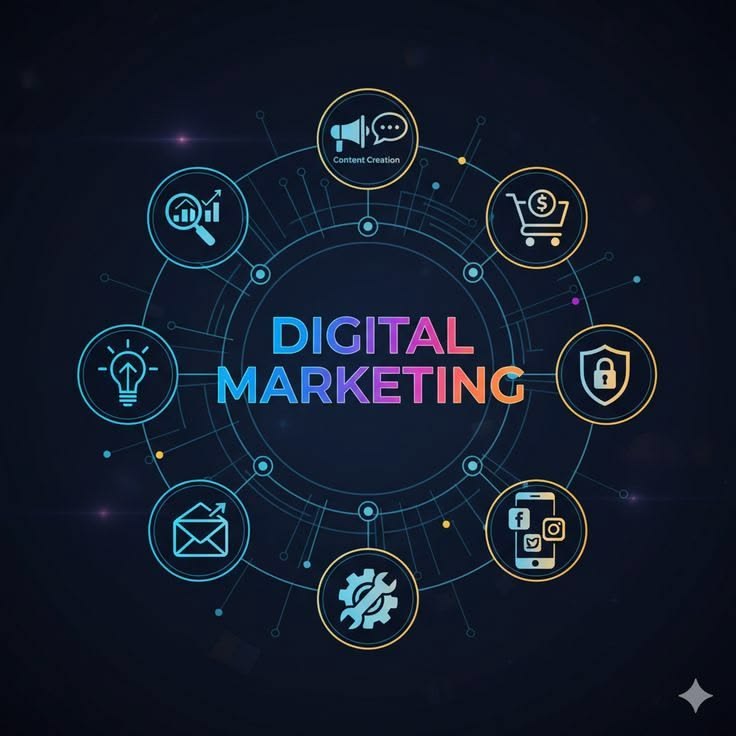
Integrated digital marketing is the process of combining multiple online marketing channels into one unified strategy.
Instead of treating SEO, social media, email marketing, content marketing, and paid advertising separately, businesses align them to achieve common goals.
An integrated approach ensures customers receive a consistent experience whether they:
- Search on Google
- Browse Instagram
- Watch YouTube
- Click Facebook Ads
- Visit your website
- Read your blog
Every marketing channel supports another, making your brand stronger and easier to trust.
2. Why Single-Channel Marketing No Longer Works
Consumer behavior has changed dramatically.
Today’s customer journey looks like this:
Step 1
Searches Google for a solution.
Step 2
Finds your website.
Step 3
Checks your Instagram profile.
Step 4
Reads customer reviews.
Step 5
Sees your retargeting ad.
Step 6
Returns to your website.
Step 7
Becomes your customer.
If your business only focuses on one channel, you’re likely losing customers at multiple stages of this journey.
The Power of SEO in 2026
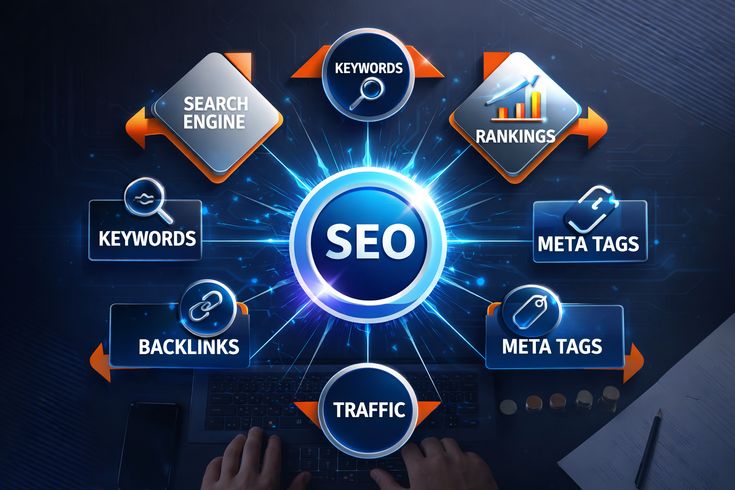
Search Engine Optimization (SEO) remains one of the most valuable long-term investments for businesses.
SEO helps your website rank higher on Google when people search for products or services related to your business.
Benefits of SEO
1. Consistent Organic Traffic
Unlike paid ads, SEO continues bringing visitors without paying for every click.
2. Higher Trust
Most users trust websites appearing naturally in Google search results.
3. Better User Experience
Modern SEO improves:
- Website speed
- Mobile responsiveness
- Navigation
- Content quality
4. Long-Term Results
A well-optimized website can generate leads for years.
3. Why Social Media Marketing Matters More Than Ever
People spend several hours daily on platforms like Instagram, Facebook, LinkedIn, YouTube, and X.
Businesses that actively engage audiences through social media marketing build stronger relationships and increase brand visibility.
Social Media Helps Businesses
Build Brand Awareness
Regular content keeps your business visible.
Increase Customer Engagement
Likes, comments, polls, stories, and reels encourage conversations.
Showcase Expertise
Educational posts establish authority in your industry.
Build Trust
Customer testimonials and behind-the-scenes content improve credibility.
Drive Website Traffic
Every social media platform becomes another source of visitors.
Paid Ads Deliver Instant Results
SEO requires patience.
Social media requires consistency.
Paid advertising delivers immediate visibility.
Google Ads, Meta Ads, LinkedIn Ads, and YouTube Ads allow businesses to reach highly targeted audiences quickly.
Advantages of Paid Advertising
- Instant website traffic
- Lead generation
- Product sales
- Brand awareness
- Geographic targeting
- Audience segmentation
- Remarketing opportunities
However, paid ads work best when supported by SEO and social media.
4. Why SEO + PPC Strategy Works Better Together
Many businesses think SEO and PPC compete with each other.
In reality, the best-performing businesses combine them into a powerful SEO + PPC strategy.
SEO Builds Long-Term Authority
SEO generates sustainable traffic over time.
PPC Generates Immediate Visibility
Paid ads deliver instant exposure while SEO gains momentum.
Together They Dominate Search Results
Imagine your business appearing:
- At the top through Google Ads
- Again through organic SEO rankings
This doubles your visibility and increases customer trust.
5. How Social Media Strengthens SEO and Paid Ads
Although social media isn’t a direct Google ranking factor, it strongly supports both SEO and advertising.
More Content Visibility
Every blog can become:
- Instagram Carousel
- LinkedIn Article
- Facebook Post
- YouTube Short
- Reel
One blog creates multiple content opportunities.
Higher Brand Searches
People who discover you on Instagram often search your business on Google later.
More branded searches improve overall online authority.
Better Ad Performance
Businesses with active social profiles usually achieve:
- Higher click-through rates
- Better conversion rates
- Lower advertising costs
Customers trust familiar brands.
6. The Complete Customer Journey in 2026
Let’s understand how all three channels work together.
Stage 1: Discovery
A customer searches Google.
SEO helps your website appear.
Stage 2: Research
The customer visits your website.
They later check your Instagram.
Your social media marketing builds confidence.
Stage 3: Reminder
The customer leaves without buying.
Meta Ads and Google Remarketing show your ads again.
Stage 4: Conversion
The customer returns and purchases your product or books your service.
This entire process is only possible with integrated digital marketing.
7. Industries That Benefit the Most
Every business can benefit from combining SEO, social media, and paid ads.
Examples include:
Real Estate
Generate quality property leads.
Healthcare
Increase patient appointments.
Education
Boost admissions and inquiries.
Restaurants
Drive reservations and online orders.
Fashion Brands
Increase website sales.
Automobile Showrooms
Generate test-drive bookings.
Gyms
Attract membership registrations.
Salons
Increase appointment bookings.
Hotels
Boost direct reservations.
E-commerce Stores
Increase product sales with lower acquisition costs.
8. Common Mistakes Businesses Still Make
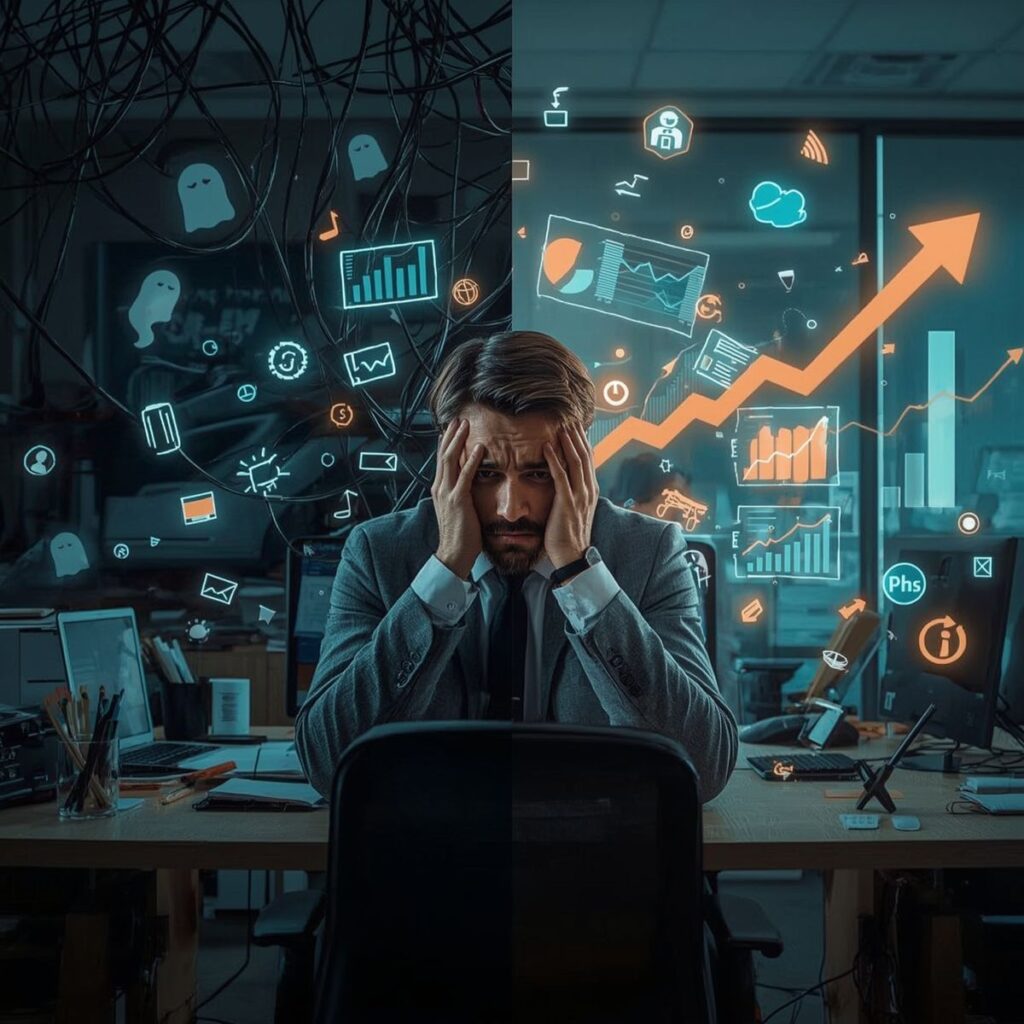
Many businesses still depend on only one marketing channel.
Common mistakes include:
Only Running Ads
Traffic stops when the budget ends.
Only Doing SEO
Growth takes longer without paid visibility.
Posting Random Social Media Content
Without strategy, engagement rarely converts into sales.
Ignoring Website Optimization
Marketing efforts fail if the website provides a poor experience.
No Tracking
Without analytics, businesses cannot measure ROI.
9. How to Build an Effective Integrated Digital Marketing Strategy
An effective integrated digital marketing plan includes:
1. Strong Website
Your website should be:
- Mobile-friendly
- Fast
- Secure
- SEO optimized
2. Keyword Research
Target keywords your customers actually search.
Create content answering their questions.
3. Consistent Content Marketing
Publish blogs regularly.
Convert each blog into:
- Reels
- Shorts
- Infographics
- Carousels
- LinkedIn posts
4. SEO Optimization
Focus on:
- Technical SEO
- On-page SEO
- Local SEO
- Content SEO
- Internal linking
5. Social Media Marketing
Maintain consistent branding across platforms.
Post educational, promotional, and engaging content.
6. Paid Advertising
Use Google Ads and Meta Ads for:
- Lead generation
- Remarketing
- Sales campaigns
- Brand awareness
7. Performance Analysis
Track important metrics like:
- Organic traffic
- Click-through rate
- Conversion rate
- Bounce rate
- Cost per lead
- Return on ad spend
Optimize campaigns regularly.
10. Benefits of Combining SEO, Social Media & Paid Ads
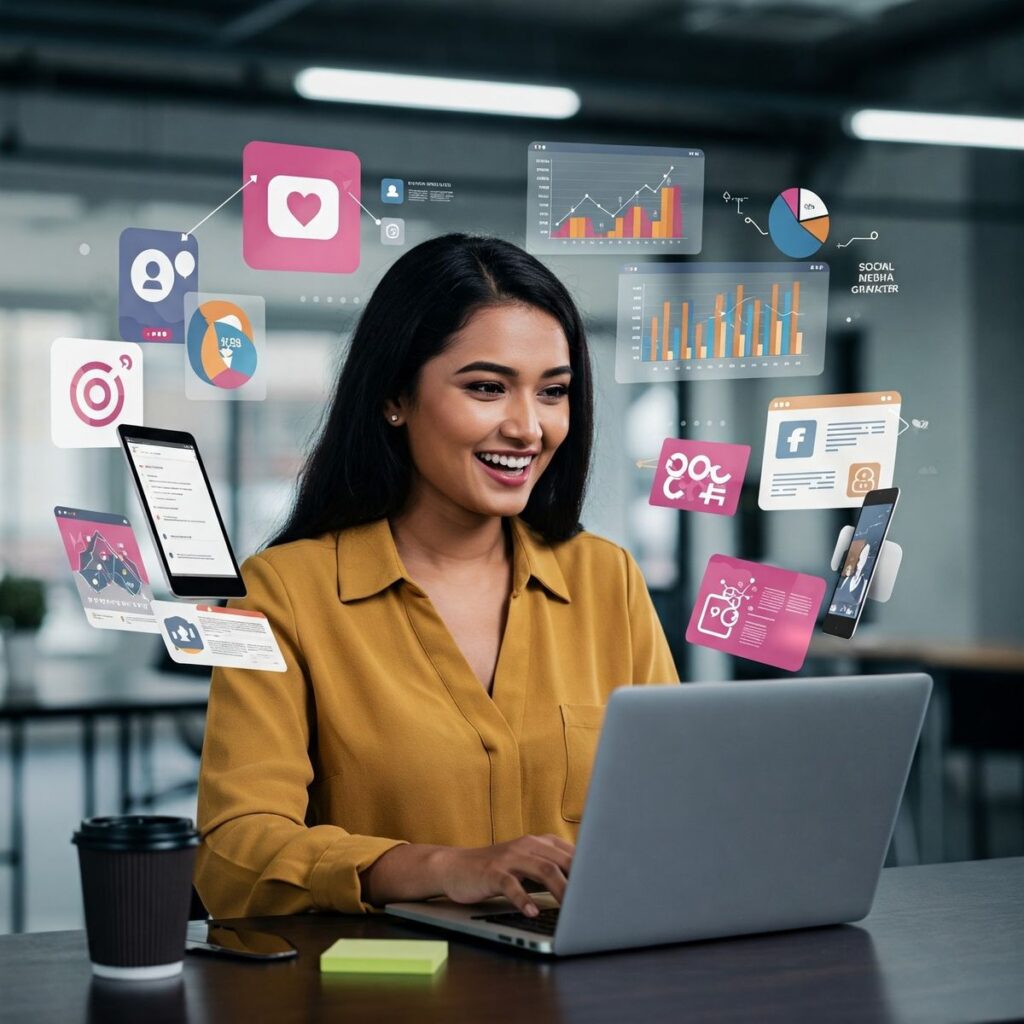
Businesses using all three channels together enjoy:
- Higher Google rankings
- Better brand recognition
- Increased website traffic
- More qualified leads
- Lower customer acquisition costs
- Improved customer trust
- Higher conversion rates
- Stronger online authority
- Better return on investment
- Sustainable online business growth
The Future of Digital Marketing in 2026
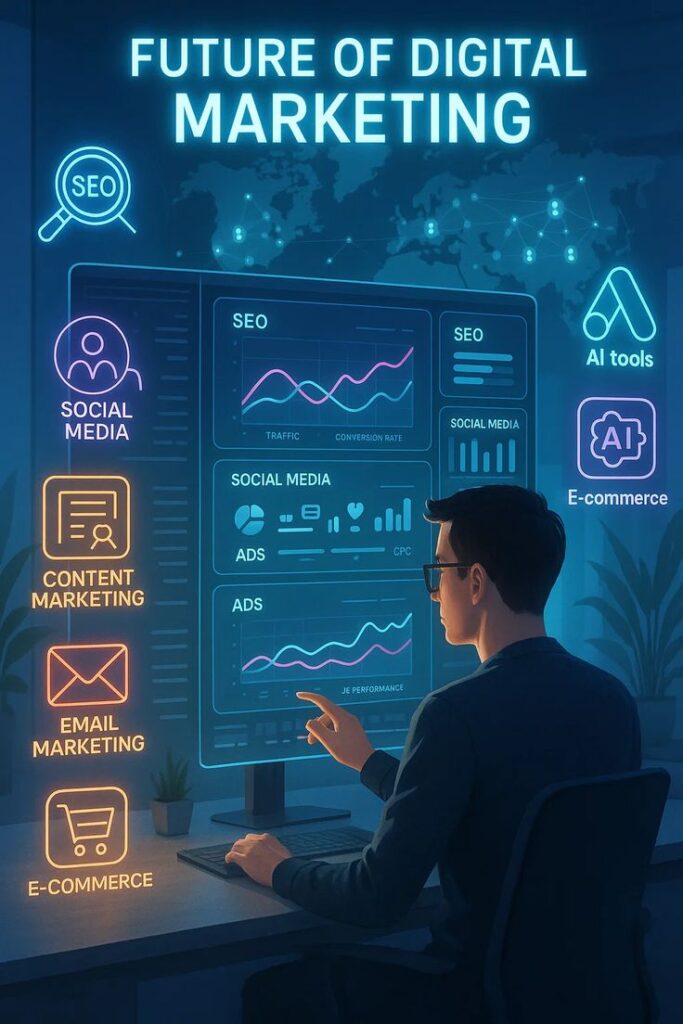
Artificial Intelligence, voice search, AI-powered search experiences, personalization, and predictive analytics are reshaping digital marketing.
However, one thing remains constant:
Customers interact with brands across multiple platforms before making a purchase.
Businesses that continue relying on only one marketing channel will struggle to compete.
The future belongs to businesses adopting integrated digital marketing, where SEO, social media marketing, and paid advertising work together to deliver a unified customer experience.
Final Thoughts
In 2026, successful businesses no longer ask whether they should choose SEO, social media, or paid ads. The real question is how effectively they can combine all three.
SEO builds long-term visibility and authority, social media marketing strengthens relationships and keeps your audience engaged, while paid advertising delivers immediate reach and measurable results. Together, they create a complete SEO + PPC strategy that supports every stage of the customer journey—from discovery to conversion and retention.
If your goal is sustainable online business growth, now is the time to invest in an integrated digital marketing approach. Businesses that align these channels will attract more qualified traffic, generate better leads, improve conversions, and stay ahead of the competition in 2026 and beyond.
Whether you’re a startup, local business, service provider, or enterprise, combining SEO, social media, and paid ads isn’t just a trend—it’s the foundation of successful digital marketing today.
Frequently Asked Questions (FAQs)
Q1. Why should businesses use SEO, social media, and paid ads together?
Using all three creates an integrated digital marketing strategy that improves visibility, builds trust, drives targeted traffic, and increases conversions across the customer journey.
Q2. Is SEO still important in 2026?
Yes. SEO remains essential for generating long-term organic traffic, improving website authority, and helping businesses appear in Google search results without paying for every click.
Q3. What is an SEO + PPC strategy?
An SEO + PPC strategy combines organic search optimization with paid advertising. SEO delivers sustainable traffic, while PPC provides immediate visibility, helping businesses maximize their online reach and ROI.
Q4. How does social media marketing support online business growth?
Social media marketing increases brand awareness, engages potential customers, drives website traffic, and builds trust, making it an important part of long-term online business growth.
Q5. Which businesses benefit most from integrated digital marketing?
Almost every industry—including real estate, healthcare, education, retail, automotive, hospitality, e-commerce, and professional services—can benefit from an integrated approach that combines SEO, social media, and paid advertising.